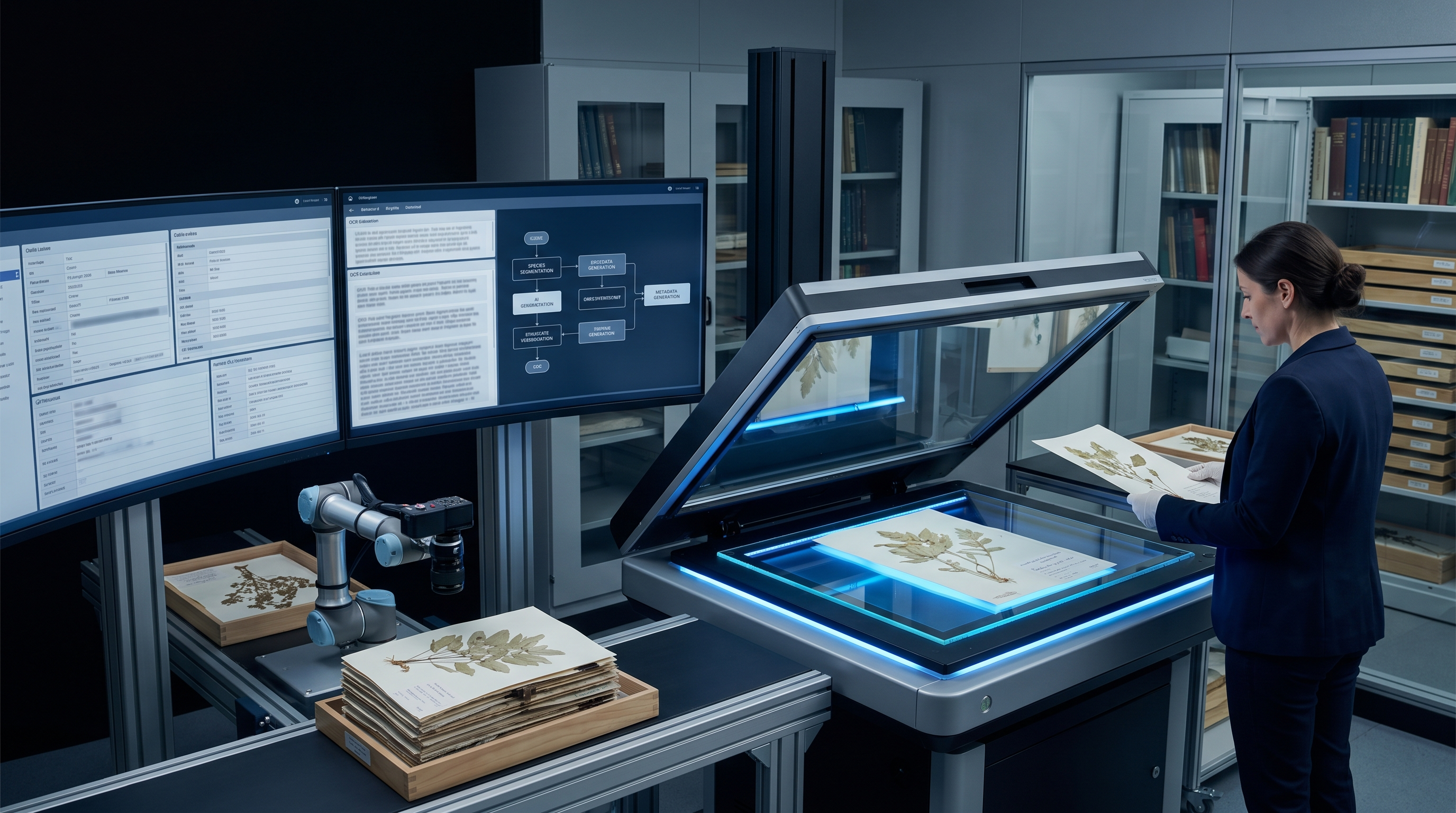
This case study shows how SBL turns operational complexity into a governed digital operating model where workflow, data, quality and decisions can be managed together.
The institutional challenge
- Pre-1837 Data Gaps: Official census records only go back to 1837; parish registers are the only way to trace lineages back to the 1400s.
- Script Decipherability: Age-old handwriting styles in baptism, marriage, and burial registers required specialist interpretation skills.
- Deadline Pressure: Massive volumes of fragile images had to be processed and verified well ahead of strict online publishing dates.
What SBL engineered
- Transformed legacy information into searchable, secure and AI-ready institutional knowledge.
- Preserved context, provenance and validation controls so the records could support trusted decisions.
- Built the work as a governed records-intelligence program rather than a one-time conversion task.
- Consult & Align: Studying deep-history guidelines to ensure cultural and religious context was maintained.
- Workflow Setup: Mobilizing a dedicated transcription team trained in archaic English parish scripts.
How the work should be understood
SBL's role is not limited to executing a task. The value comes from understanding the operating workflow, engineering the data and automation layer, applying governance controls, and helping the institution move from manual dependency to intelligent, measurable operations.