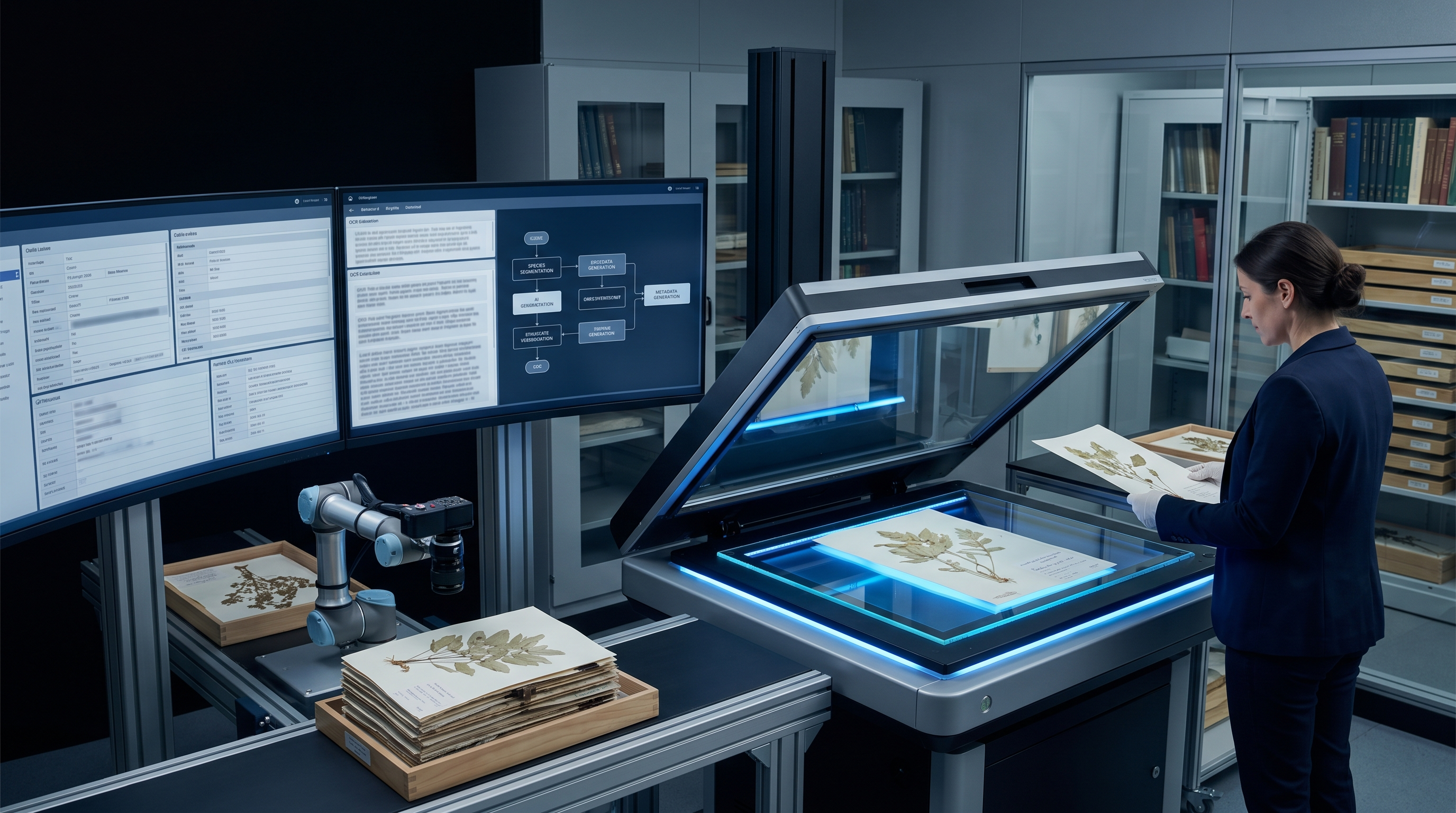
This case study shows how SBL turns operational complexity into a governed digital operating model where workflow, data, quality and decisions can be managed together.
The institutional challenge
- Archival Fragmentation: Historical probate data is often trapped in localized, physical, or non-indexed formats, making cross-referencing nearly impossible.
- Spatial Inconsistency: Legacy property maps frequently lack modern coordinate systems, leading to overlaps or gaps in cadastral records.
- Decision Latency: The manual effort required to locate and verify records slows down legal proceedings and asset distributions.
What SBL engineered
- Transformed legacy information into searchable, secure and AI-ready institutional knowledge.
- Preserved context, provenance and validation controls so the records could support trusted decisions.
- Built the work as a governed records-intelligence program rather than a one-time conversion task.
- Consult & Align: Establishing data schemas for property assessments, historical landmarks, and spatial statistics.
- Workflow Setup: Mobilizing a specialized GIS team trained in thematic mapping and cadastral standards.
How the work should be understood
SBL's role is not limited to executing a task. The value comes from understanding the operating workflow, engineering the data and automation layer, applying governance controls, and helping the institution move from manual dependency to intelligent, measurable operations.