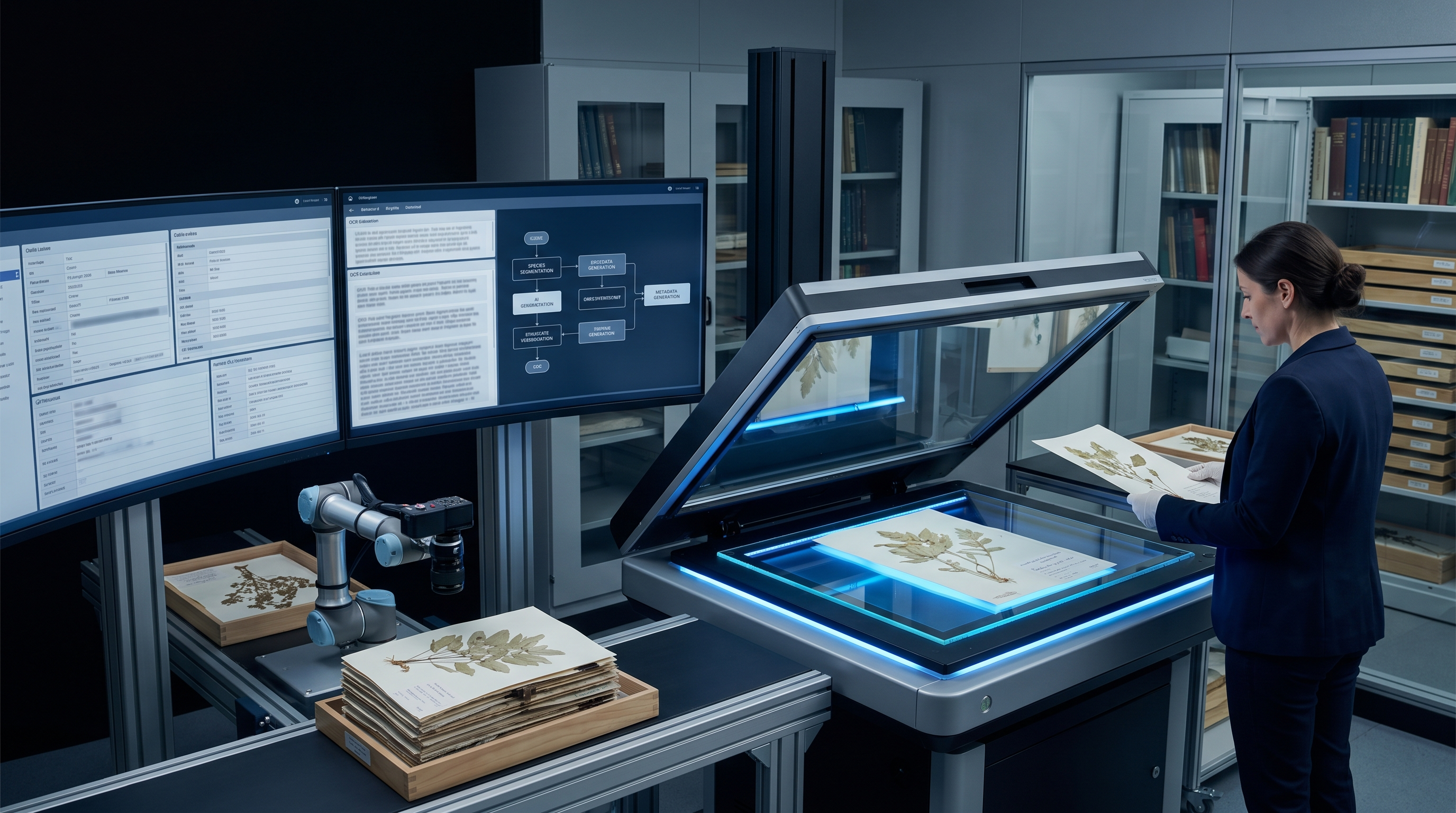
This case study shows how SBL turns operational complexity into a governed digital operating model where workflow, data, quality and decisions can be managed together.
The institutional challenge
- Indecipherable scripts: Complex, outdated handwriting styles and cursive loops that standard AI extraction could not interpret.
- Physical degradation: Faded ink and inconsistent formatting on fragile paper dating back centuries.
- Academic rigor: The data required 100% precision to meet the standards for peer-reviewed citations and auditability.
What SBL engineered
- Transformed legacy information into searchable, secure and AI-ready institutional knowledge.
- Preserved context, provenance and validation controls so the records could support trusted decisions.
- Built the work as a governed records-intelligence program rather than a one-time conversion task.
- Consult & Align: Defining the contextual metadata needed for migration thesis research.
- Workflow Setup: Deploying ACTIGEN (Cognitive AI) alongside senior linguistic experts.
How the work should be understood
SBL's role is not limited to executing a task. The value comes from understanding the operating workflow, engineering the data and automation layer, applying governance controls, and helping the institution move from manual dependency to intelligent, measurable operations.