

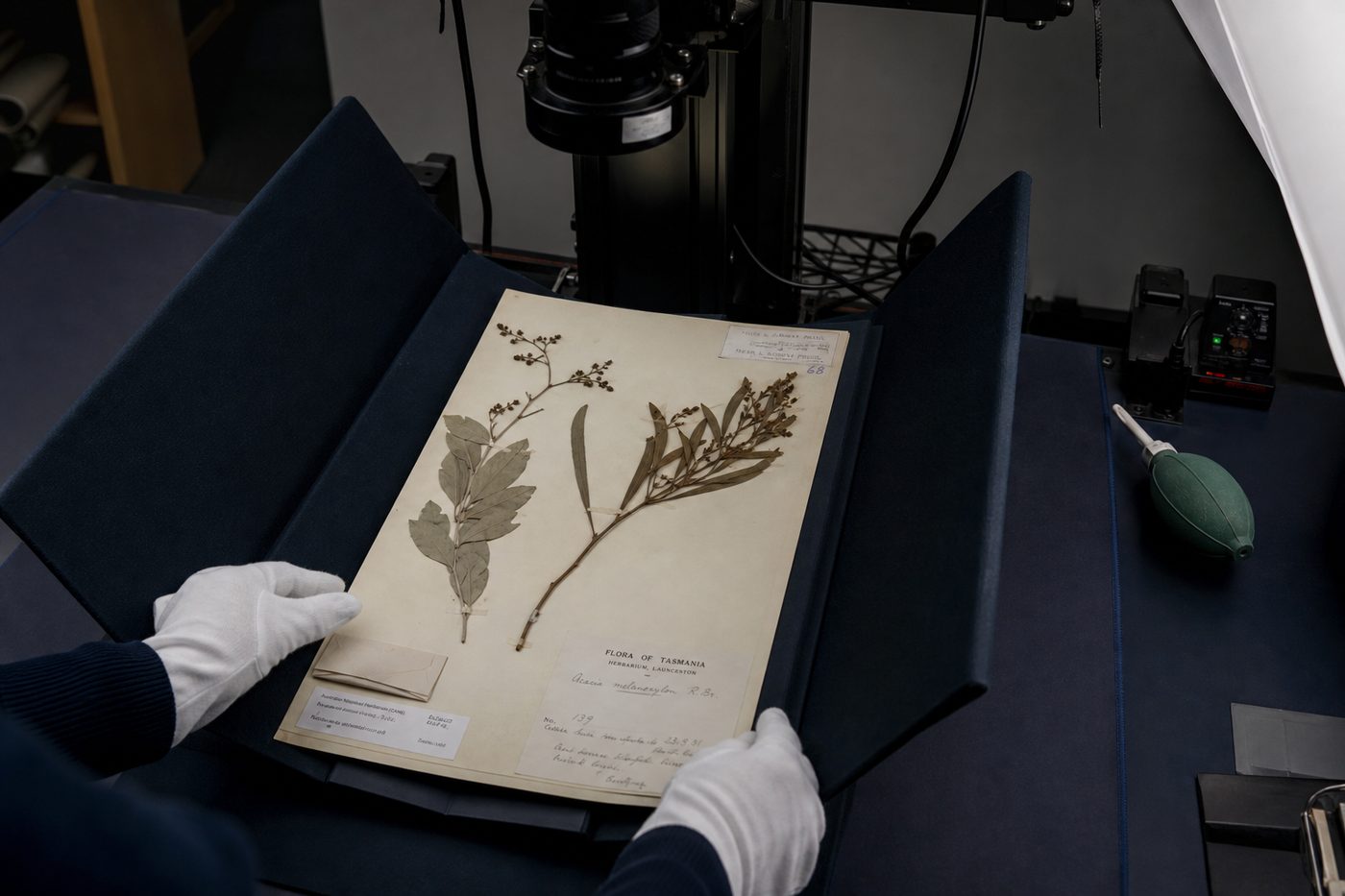
The phrase AI-ready archive can hide a lot of unfinished work. A repository can be searchable and still be weak for AI. It can be preserved and still be hard to use. It can be digitised and still lack the context needed for responsible reuse.
Preservation is necessary, but not sufficient
Preservica's writing is strong on active digital preservation: content must remain readable, intact and trustworthy over decades. Iron Mountain makes the governance point clearly as well: digitisation without information governance creates more data with less control.
For AI, the bar rises again. The archive needs to expose context in a form machines can use without flattening the human meaning of the collection. That includes metadata, relationships, rights, restrictions, source hierarchy and uncertainty.
A scanned page with OCR is not automatically safe training data. A preservation file with no rights model is not automatically safe for discovery. AI readiness is an access design problem as much as a storage problem.
AI-ready means five things at once
First, the file must be usable. Obsolete formats, corrupt files and missing derivatives reduce value. Second, the metadata must be structured enough for retrieval and reasoning. Third, provenance must connect each derivative to its source.
Fourth, rights and privacy rules must travel with the asset. Fifth, exceptions must be visible. Damaged pages, uncertain dates, restricted records and unresolved transcription should not be hidden in a clean interface.
Most vendor pages cover one or two of these well. The gap is the operating model that keeps all five connected across millions of records.
The rights layer is often the weak point
AI systems increase the chance that archived material will be recombined, summarised or surfaced outside its original context. That makes rights and restrictions more important, not less.
A serious archive needs machine-readable access rules, retention rules, sensitivity flags and usage boundaries. Human curators should not have to remember every restriction manually when AI search or summarisation is introduced.
The question is not only whether the archive can answer. It is whether it should answer, to whom, with what context and at what level of detail.
A practical starting point
Before claiming AI readiness, run a sample through the whole pathway: preservation file, OCR or transcription, metadata enrichment, rights check, search result, summary, source citation and audit log.
The gaps will become visible quickly. Some will be data gaps. Some will be policy gaps. Some will be workflow gaps. All of them matter.
SBL's position is that archives become AI-ready when their evidence, context and controls become machine-readable alongside the content.
Questions teams ask before they start
What is an AI-ready archive?
It is an archive with usable files, structured metadata, provenance, rights controls and access rules that downstream systems can interpret.
Is OCR enough for AI readiness?
No. OCR provides text, but AI readiness also needs source links, metadata, rights, quality flags and governance.
What should archive teams test first?
Test one full path from source item to search result or AI summary, including rights checks and audit evidence.